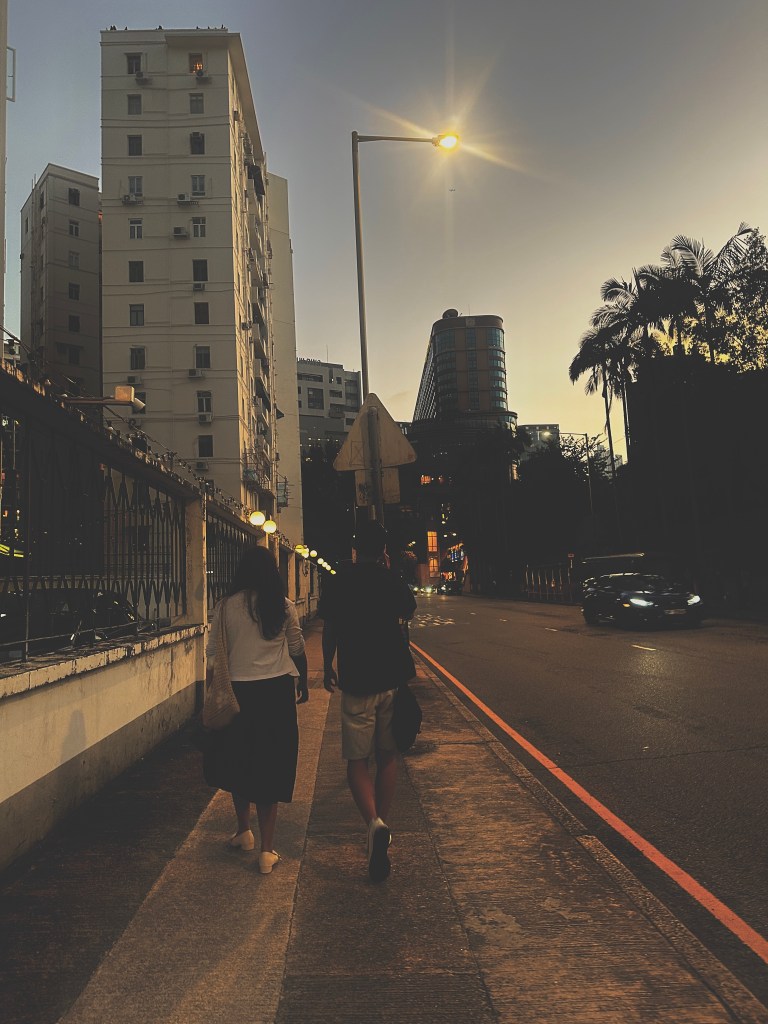
Homeless in Urban Life: An Opinion on the Young Generation’s Struggle
Urbanization promises opportunities, but for many young people, it can lead to homelessness and despair. This phenomenon isn’t just about the absence of a home; it’s about the psychological and social challenges that come with trying to fit into an unforgiving urban environment.
Here, I share my perspective on how urban life can push young people towards homelessness, and how it contrasts with the rural simplicity that many of us might idealize.
The Reality of Urban Life
Cities are often seen as havens of opportunity—better jobs, advanced education, and vibrant social scenes. However, the reality can be harsh. Young people, drawn by the allure of urban life, often find themselves grappling with high living costs and intense competition. For those without the safety nets of money, beauty, or popularity, urban life can quickly become a nightmare. A study by the National Alliance to End Homelessness highlights that economic factors, including high rent and low wages, are significant contributors to homelessness among youth in urban areas (National Alliance to End Homelessness, 2021).
Urban environments can be incredibly isolating. Despite being surrounded by millions, many young people feel profoundly alone. The fast-paced, individualistic culture of cities fosters superficial relationships rather than deep, meaningful connections. Consequently, trust becomes a rare commodity, leaving many feeling they have no one to turn to when times get tough. Research by the American Psychological Association indicates that social isolation is a significant factor contributing to mental health issues among urban youth (American Psychological Association, 2019).
In cities, success is often measured by superficial standards—wealth, physical appearance, and social media clout. Those who don’t fit these molds can quickly find themselves marginalized. This relentless pressure can lead to mental health issues, which, without adequate support, can spiral into homelessness.

Health and Well-being: An Elusive Goal
The pursuit of urban dreams can take a toll on health and well-being. The stress of urban living, combined with inadequate access to healthcare, makes it difficult for young people to maintain their mental and physical health. Homelessness exacerbates these issues, creating a vicious cycle that’s hard to break. The World Health Organization has reported that urban environments can negatively impact mental health due to factors like noise, overcrowding, and social stress (World Health Organization, 2020).
The Hunger Divide
Urban areas vividly display the extremes of wealth and poverty. You can walk through affluent neighborhoods with high-end shops and then suddenly find yourself in areas where people struggle to find their next meal. This stark contrast highlights the failure of urban development to create inclusive prosperity. A report by the United Nations indicates that urban areas have higher rates of income inequality compared to rural areas, contributing to food insecurity among the urban poor (United Nations, 2019).
The Cost of Clean Water and Sanitation
Access to clean water and sanitation, a basic human right, is often compromised in urban areas. The infrastructure struggles to keep up with the growing population, and the cost of utilities can be prohibitive for the poor, making it a daily struggle for survival. The United Nations Children’s Fund (UNICEF) reports that many urban slums lack access to clean water and sanitation, leading to serious health issues (UNICEF, 2018).
Rural Simplicity and Community
In contrast to the isolating and competitive nature of urban life, rural areas offer simplicity and a sense of community. The support networks in rural settings can provide a safety net that’s often missing in urban areas. Access to nature and a slower pace of life contribute to overall well-being, mitigating some of the risks associated with homelessness. Research by the Rural Health Information Hub shows that rural communities often have stronger social ties, which can provide better support systems for those in need (Rural Health Information Hub, 2021).
Addressing Urban Homelessness: A Call for Action
Solving urban homelessness requires a holistic approach. This includes mental health services, substance abuse treatment, educational support, and job training. Comprehensive support can help young people address the root causes of their homelessness and build a stable future. Building strong social networks is crucial. Community programs that promote inclusion, mentorship, and peer support can help young people develop meaningful relationships and a sense of belonging, reducing the feelings of isolation and distrust that urban life can foster.
Moreover, policymakers need to prioritize affordable housing, access to healthcare, and robust social safety nets. Policies focused on reducing inequalities and supporting at-risk youth can create more inclusive urban environments, helping to prevent homelessness before it starts. The National Low Income Housing Coalition advocates for policy changes to increase affordable housing and support services, which are essential to reducing homelessness (National Low Income Housing Coalition, 2020).
Conclusion
Urban homelessness among young people is a complex issue driven by economic, social, and psychological factors. The pressures of urban life, combined with systemic inequalities, make it difficult for many young people to find stability. Addressing this issue requires a compassionate and multifaceted approach, focusing on support systems, social networks, and policy changes. By fostering inclusive and supportive urban environments, we can help young people achieve their potential and contribute to a more equitable society.
To my young friends navigating the urban jungle, remember that you are not alone in your struggles. The challenges you face are real, but so is your resilience. Seek out and build meaningful connections, support each other, and don’t hesitate to ask for help when you need it. Together, we can create a world where no one has to face homelessness and despair. Let’s work towards a future where every young person has the opportunity to thrive, no matter where they live. Stay strong, stay hopeful, and keep pushing for the change we all need.


 Abat Bertha
Leave a comment