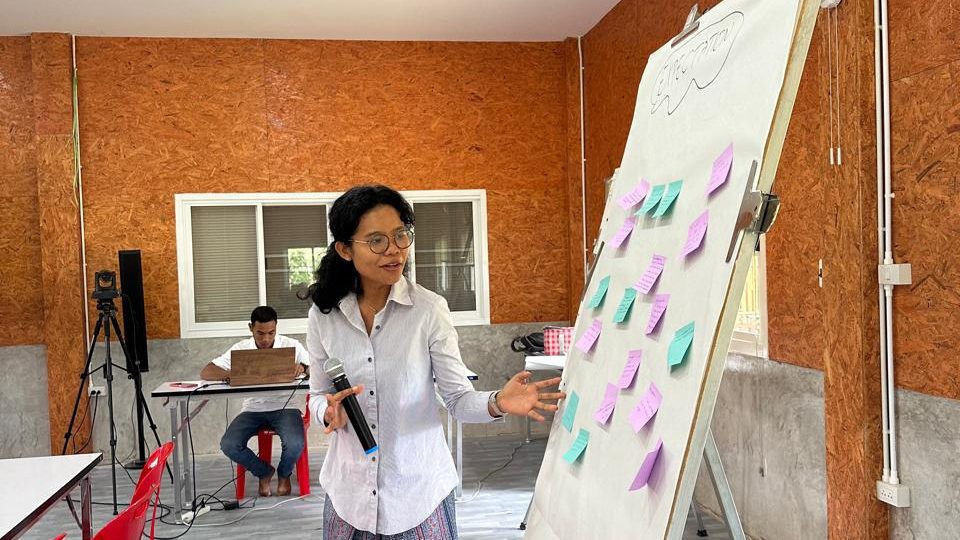
If you can’t understand your own perspective, it will be difficult to understand others, regardless of your position. This thought struck me after hearing diverse viewpoints, prompting me to write this.
Literacy extends beyond the basic ability to read and write; it encompasses the ability to understand, analyze, and engage with text in meaningful ways. In today’s information-rich world, effective literacy is essential for personal empowerment, social engagement, and societal progress. Yet, despite widespread access to education, many people struggle with true comprehension, leading to various challenges.
Beyond Basic Reading: The Power of Comprehension
True literacy involves more than recognizing words; it means understanding their context and implications. When individuals lack this deeper level of comprehension, it can hinder their ability to make informed decisions and fully participate in society.
Imagine a person receiving medical instructions in a pamphlet. If they can only read the words but fail to grasp the meaning, they might mismanage their medication, resulting in health complications. And so, practicing active reading techniques, such as summarizing key points, asking questions about the text, and discussing it with others will help to deepen understanding.
The Dangers of Comparison and Misunderstanding
Social media and constant connectivity can exacerbate issues of comparison and misunderstanding. Without strong literacy skills, individuals may struggle to critically evaluate what they see online, leading to skewed perceptions of reality.
A teenager who compares their life to idealized portrayals on social media might feel inadequate or depressed, not realizing that these portrayals are often curated and unrealistic.
Promote media literacy education that teaches critical evaluation of online content, recognizing biases, and understanding the context in which information is presented.
The Broader Impact of Literacy on Society
A lack of literacy can limit one’s worldview, perpetuate prejudice, and hinder societal progress. Communities with lower literacy rates often face economic and social challenges, while literacy enables individuals to contribute positively to their society.
In regions with low literacy rates, individuals may struggle to find stable employment and improve their living conditions, perpetuating cycles of poverty.
Support and advocate for accessible educational programs that target literacy development, especially in underserved communities.
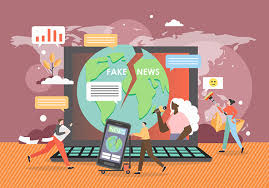
Let’s look at the benefits of literacy.
Empowerment and Independence. A person who can read and understand a lease agreement is better equipped to make informed decisions about their housing situation, avoiding potential exploitation. Encourage participation in literacy workshops that focus on practical skills like understanding contracts, managing finances, and navigating government services
Economic Opportunities. Literacy skills open doors to job opportunities and career advancement. For instance, a person with strong literacy skills can write a compelling resume and apply for better job positions. UNESCO reports that each additional year of schooling can increase a person’s earnings by approximately 10%. Utilize online resources and community programs that offer job readiness training and career development workshops.
Social Participation. A literate individual can engage in community discussions, vote in elections, and advocate for social causes effectively. Get involved in local civic education programs that encourage informed voting and community activism.
Personal Growth and Well-being. Reading for pleasure can enhance emotional well-being. For example, a person who regularly reads novels may experience improved empathy and reduced stress. According to the National Literacy Trust, reading for pleasure is linked to better mental health and higher life satisfaction. Promote reading programs and book clubs that foster a love for reading and encourage personal reflection.

Literacy is a fundamental human right that significantly impacts personal and societal growth. It involves not just the ability to read but to engage with and understand text in meaningful ways. To improve literacy skills, consider adopting active reading techniques, engaging in media literacy education, and supporting accessible educational programs. By investing in literacy initiatives, we can build a more informed, empathetic, and empowered society.
Join efforts to support literacy programs in your community, advocate for educational resources, and contribute to organizations that focus on improving literacy. Together, we can make a difference and ensure that everyone has the opportunity to thrive through the power of literacy.
Sources:
UNESCO. (2021). Education Transforms Lives. Retrieved from UNESCO Education
National Literacy Trust. (2018). The Impact of Reading for Pleasure and Empowerment. Retrieved from National Literacy Trust

 Abat Bertha
Leave a comment