As the world rapidly changes, the demand for plastics in our daily lives is skyrocketing. If we were to tally up the sachets, bottles, and buckets of plastic waste we generate, it would amount to tons within a single year. The convenience of plastics has become a staple of modern living, yet this convenience comes at a steep cost to our planet and its inhabitants.
Every day, we contribute to an ever-growing mountain of plastic waste, often oblivious to its final resting place and the extensive damage it inflicts. Plastics are not only littering our landscapes but also infiltrating our oceans, where they break down into microplastics that are ingested by marine life. Studies have found microplastics in the stomachs of fish, which can lead to toxic accumulation in the food chain and pose serious health risks to humans who consume seafood.

In 2019, a study published in the journal Environmental Science & Technology projected that the average person might consume 50,000 microplastic particles per year from food and drink alone. Furthermore, another World Health Organization (WHO) study expressed worry about the potential health dangers presented by microplastics in drinking water, calling for greater research in this area.
Plastic Waste in Asia
Asia faces a pressing plastic waste crisis, with Indonesia leading as one of the largest contributors. In 2020, Indonesia generated about 3.2 million tons of plastic waste, sending approximately 1.29 million tons to the ocean each year, threatening marine biodiversity and local fisheries. In response, the government launched the National Plastic Waste Reduction Roadmap, aiming for a 70% reduction by 2025.
The Philippines is also heavily impacted, producing around 2.7 million metric tons of plastic waste annually. Inefficient waste management systems lead to significant leakage into the environment, jeopardizing marine ecosystems. The Philippine Clean Seas Campaign engages communities to combat this issue and improve coastal cleanup efforts.
Vietnam generates about 3.9 million tons of plastic waste each year, with only 27% recycled. Rapid urbanization complicates waste management, resulting in polluted waterways. The Vietnamese government is working with international partners to implement better recycling practices.
In Bangladesh, plastic bags significantly contribute to urban flooding and public health risks. The government has banned thin plastic bags and is promoting alternatives through awareness campaigns.
Thailand, a major tourist destination, produces about 3 million tons of plastic waste annually, primarily from single-use plastics. To address this, the Thailand Plastics Pact aims to reduce waste and promote sustainability in the tourism sector.
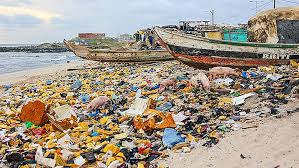
The widespread use of plastics has far-reaching consequences. It contributes to pollution, biodiversity loss, and exacerbates climate change. Plastics release harmful chemicals as they degrade, which can contaminate soil and water, affecting both wildlife and human populations. The situation is particularly dire for marginalized communities who often live near landfills and plastic processing plants, suffering from the toxic byproducts of plastic waste.
According to the Center for International Environmental Law (CIEL), plastic production and incineration might emit 850 million metric tons of greenhouse gases into the atmosphere in 2019, the equivalent of 189 coal-fired power stations. This figure is anticipated to skyrocket, potentially compromising the goals established by international climate agreements.
Marginalized communities, such as low-income populations, people with disabilities, and vulnerable groups, bear the brunt of the negative consequences of plastic pollution. These communities frequently live in locations with inadequate waste disposal infrastructure, resulting in increased exposure to harmful contaminants.
For example, plastic processing facilities and landfills are typically located near low-income communities, exposing residents to toxic pollutants and contaminated water sources.
People with disabilities face unique challenges in the context of plastic pollution. Single-use plastics, such as straws and packaging, are sometimes essential for their daily activities and accessibility. The shift towards eliminating these items must therefore be accompanied by inclusive policies that provide viable alternatives without compromising the needs of individuals with disabilities.
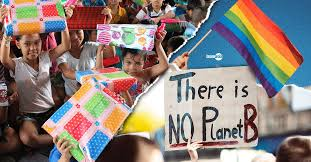
It’s crucial to raise awareness about the dangers of plastic pollution, especially among the youth. Young people are the driving force behind many environmental movements and have the power to influence change. By educating and empowering the next generation, we can foster a more sustainable future. Initiatives such as the Youth Climate Strike and other youth-led environmental campaigns demonstrate the immense potential of young advocates in driving policy changes and fostering community action.
Global Response and Papal Guidance
International agreements like the Paris Agreement and UN documents underscore the urgent need to address environmental degradation. These frameworks provide a roadmap for reducing greenhouse gas emissions and promoting sustainable practices. The United Nations Environment Programme (UNEP) has launched numerous initiatives aimed at combating plastic pollution, including the Clean Seas campaign, which calls on governments, businesses, and citizens to reduce plastic consumption and improve waste management practices.
Moreover, Pope Francis’ encyclicals, Laudato Si’ and Laudate Deum, call for a profound ecological conversion. In Laudato Si’, the Pope emphasizes the interconnectedness of all creation and the moral imperative to care for our common home. He poignantly states, “The earth, our home, is beginning to look more and more like an immense pile of filth.” Laudate Deum builds on this foundation, urging more robust action and highlighting the plight of the poor and vulnerable who are disproportionately affected by environmental harm.
Advocating for Change
To combat the plastic crisis, we must adopt a circular economy model, which prioritizes recycling, reusing, and reducing plastic waste. This shift requires comprehensive policies, corporate responsibility, and individual action. Governments must enact stringent regulations to reduce plastic production and promote sustainable alternatives. Businesses should innovate to create biodegradable materials and invest in efficient recycling technologies.
Furthermore, community engagement is crucial. Local initiatives, such as beach cleanups and zero-waste campaigns, play a vital role in reducing plastic pollution and raising awareness. Educational programs in schools and communities can empower individuals to make informed choices and advocate for policy changes.
Change begins with us. Small, everyday actions can collectively make a significant difference. We can reduce our plastic consumption by opting for reusable bags, bottles, and containers. Supporting products with minimal or sustainable packaging and participating in local recycling programs are practical steps we can all take. Encouraging friends and family to adopt these practices amplifies the impact.
The Path Forward
Finally, the widespread use of plastics endangers both the environment and human health. To secure a cleaner, healthier future for all, action must be taken immediately in accordance with international accords and moral principles. The youth, in particular, play an important role in this shift by raising awareness and advocating for change to protect our wonderful Earth. We may lessen our environmental impact by incorporating sustainable practices into our daily lives and supporting campaigns to limit plastic consumption.
The challenge of plastic pollution requires a collective response, grounded in scientific research, ethical imperatives, and robust advocacy. We must all contribute to this global effort, recognizing that every action counts in the fight to protect our planet for future generations. The time to act is now, for the sake of our common home and all who inhabit it.
The Call to Protect Our Planet
The challenge of plastic pollution demands our immediate action. Guided by scientific research, ethical imperatives, and international agreements, we must all contribute to this global effort. Every piece of plastic we refuse, every product we recycle, and every advocacy moment counts.
Let us rise to the challenge, inspire our communities, and leave a legacy of sustainability. The fight against plastic pollution begins with us, and it starts now. Together, we have power and we can make a difference. Our actions now will determine our planet’s future.
Bibliography
United Nations. (2015). Paris Agreement. Retrieved from https://unfccc.int/process-and-meetings/the-paris-agreement/the-paris-agreement
Cox, K. D., Covernton, G. A., Davies, H. L., Dower, J. F., Juanes, F., & Dudas, S. E. (2019). Human Consumption of Microplastics. Environmental Science & Technology, 53(12), 7068-7074. doi:10.1021/acs.est.9b01517.
World Health Organization. (2019). Microplastics in drinking-water. Geneva: World Health Organization. Retrieved from https://www.who.int/water_sanitation_health/publications/microplastics-in-drinking-water/en/
Center for International Environmental Law (CIEL). (2019). Plastic & Climate: The Hidden Costs of a Plastic Planet. Retrieved from https://www.ciel.org/plasticandclimate/
Pope Francis. (2015). Laudato Si’: On Care for Our Common Home. Vatican City: Vatican Press.
Pope Francis. (2023). Laudate Deum: Further Steps in the Care of Our Common Home. Vatican City: Vatican Press.
United Nations Environment Programme (UNEP). (2017). Clean Seas Campaign. Retrieved from https://www.cleanseas.org/

 Abat Bertha
Leave a comment