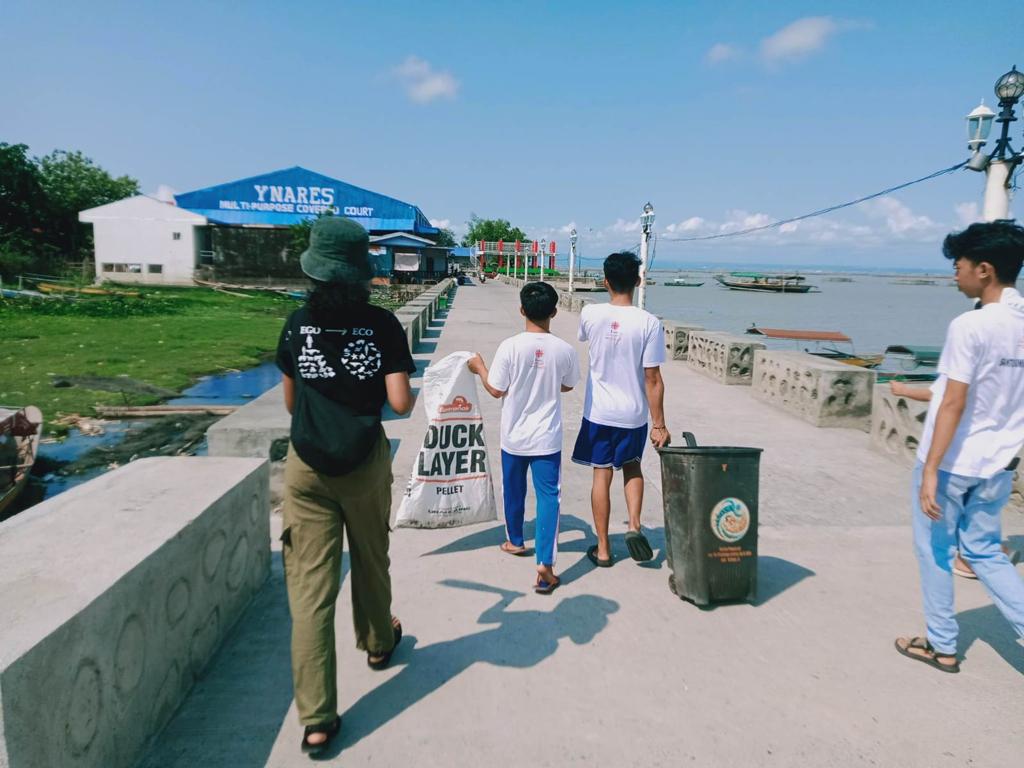
Climate change, climate justice, and climate action are terms we hear frequently in today’s world. Despite the growing discussion, many people remain unaware of the tangible impacts of climate change on their environments. Common reactions often downplay its significance, with sentiments like “It’s just normal weather” or “I don’t feel the changes others talk about.” However, the reality is that while some may not directly feel its impacts, others are suffering significantly due to climate change, land grabbing, and biodiversity loss. In urban areas, the pursuit of comfort and modern amenities often blinds people to their contributions to these issues.
Mark Lynas, in his book “High Tide: How Climate Crisis is Engulfing Our Planet” (2005), presents compelling evidence that global warming is not a distant threat but a current reality. His work, grounded in scientific research, takes readers on a global journey to witness firsthand the severe impacts of climate change. From homes buried in sandstorms in China to thawing permafrost in Alaska, Lynas paints a stark picture of the world’s changing climate.
He shares personal experiences, such as witnessing floods in the UK and the existential threat faced by the Pacific island of Tuvalu. These vivid accounts underscore the fact that the origins of global warming—exhaust pipes and factory chimneys—have far-reaching consequences. Lynas’ narrative is not merely a catalog of disasters; it’s a poignant exploration of how communities around the world are coping with unprecedented changes. His adventures, which include eating whale blubber in Alaska and swimming in shark-infested waters off the Great Barrier Reef, add a personal touch to the broader climate crisis narrative, making it more relatable and urgent.
The human rights implications of climate change are profound and far-reaching. Stephen Humphreys, in his book “Human Rights and Climate Change,” delves into how climate change is set to transform numerous aspects of public law and policy. Humphreys highlights that the effects of climate change, such as forced mass migration, increased disease incidence, and strained healthcare systems, pose acute human rights concerns. These impacts threaten food and water security, degrade shelter and livelihoods, and risk sparking conflicts.
Humphreys’ work goes beyond identifying potential impacts to examining critical questions related to climate change policies. These include accountability for cross-border harms, establishing reliable enforcement mechanisms, assessing redistribution outcomes, and allocating responsibilities among perpetrators and victims. His analysis provides a comprehensive framework for understanding the intersection of human rights and climate change, offering insights crucial for policymakers, scholars, and activists.
Despite growing awareness, a significant gap exists between concern about climate change and actionable steps. Neuroscientist Kris De Meyer, in his TEDxLondon talk “Why We Need to Change How We Talk About Climate Change,” emphasizes this disconnect. He argues that simply increasing awareness is not enough to drive change. Instead, De Meyer advocates for creating opportunities for small actions and sharing stories of success to inspire others through social learning.
De Meyer suggests that taking action itself can foster a deeper sense of care and urgency. Small, tangible steps can build confidence and create a ripple effect, motivating more significant actions. By developing a sense of agency, individuals can overcome the barriers that prevent them from acting on their concerns.
Numerous climate action initiatives have been started locally to globally to mobilize young people in demanding stronger climate policies from their governments. Also to focus on environmental conservation and women’s empowerment through tree planting and sustainable agriculture. Furthermore, a comprehensive plan to reverse global warming, which identifies, quantifies, and models the most substantive solutions to climate change.
Successful initiatives like Fridays for Future by Greta Thunberg
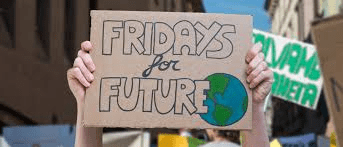
The Green Belt Movement by Wangari Maathai in Kenya

To further motivate engagement, individuals and communities can measure the impact of their climate actions through various methods such as:
- Community Impact Assessments: Local groups can conduct assessments to measure changes in air quality, energy savings, or biodiversity in their area as a result of their actions.
- Sustainable Development Goals (SDGs): Aligning local initiatives with the United Nations’ SDGs can provide a framework for measuring broader social, economic, and environmental impacts.
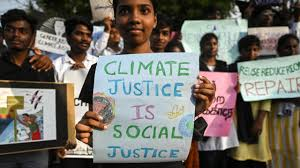
Climate change is deeply intertwined with social justice issues, affecting marginalized communities disproportionately. The intersectionality of climate change with issues such as poverty, race, and gender highlights the broader implications and the need for an inclusive approach to climate action. For example:
- Environmental Racism: Communities of color often face greater exposure to pollution and climate hazards. Addressing climate change must involve tackling these systemic inequities.
- Gender and Climate Change: Women, particularly in developing countries, are more vulnerable to the impacts of climate change. Empowering women through education and leadership in climate initiatives is crucial.
- Economic Inequality: Climate change exacerbates economic disparities, making it essential to integrate economic justice into climate policies.
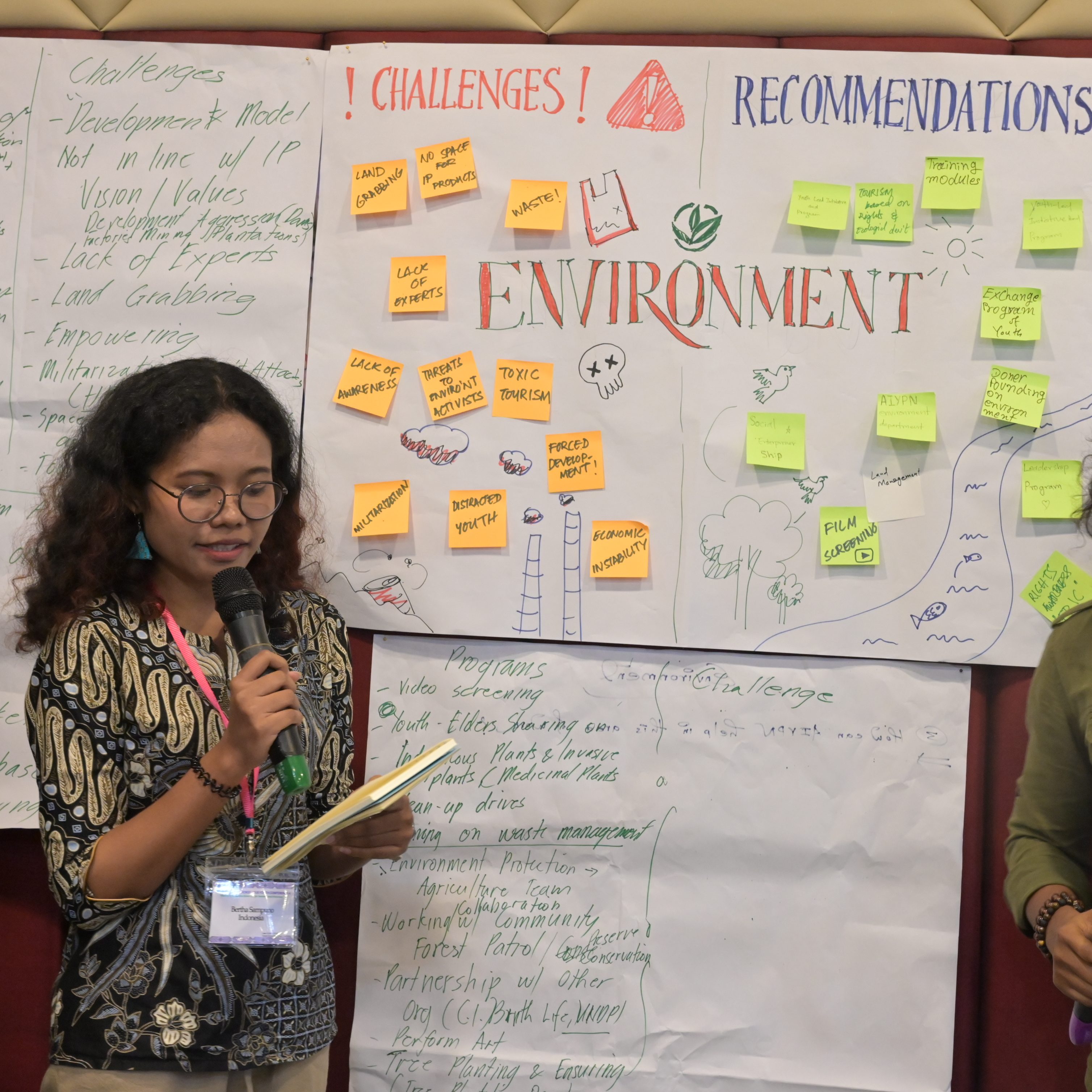
The Role of Young People in Climate Action
Young people today are increasingly aware of and concerned about climate change. Surveys indicate high levels of anxiety and care among youth, especially those exposed to climate impacts or educated about the issue. However, many young people feel frustrated and powerless due to the disconnect between their awareness and the ability to take meaningful action.
Educational institutions, non-profits, and community organizations are crucial in bridging this gap. They provide training and platforms that empower young people to act, whether through personal lifestyle changes or public advocacy. For instance, youth-led initiatives such as climate strikes and grassroots campaigns have gained global attention, demonstrating the power and potential of young voices in driving climate action.
Overcoming Individualism and Fostering Collaboration

Modern life often emphasizes individualism and independence, which can hinder collective climate action. The complexity of climate issues requires collaboration among various stakeholders, including governments, businesses, and civil society. Without coordinated efforts, society risks falling into a cycle of inaction and blame-shifting.
To break this cycle, it is essential to recognize that actions often drive beliefs and values. Taking action, even in small ways, can provide positive feedback, build confidence, and inspire further efforts. Sharing stories of successful climate actions can motivate others and create a sense of community and shared purpose.
Practical Steps for Young People to Take Action
- Educate Yourself and Others: Understanding the science and impacts of climate change is crucial. Use resources like books, documentaries, and reputable websites to stay informed. Share your knowledge with peers to spread awareness.
- Reduce Personal Carbon Footprint: Simple changes in daily habits, such as reducing energy consumption, minimizing waste, and opting for sustainable transportation, can collectively make a significant impact.
- Support Sustainable Practices: Advocate for and support businesses and policies that prioritize sustainability. Participate in or organize community clean-up events, tree planting drives, and other environmental initiatives.
- Engage in Advocacy and Activism: Join or support climate action groups and movements. Participate in peaceful protests, sign petitions, and engage with local representatives to push for stronger climate policies.
- Foster Collaboration: Work with others to create a broader impact. Form or join local environmental clubs, collaborate on projects, and network with like-minded individuals and organizations.
- Leverage Social Media: Use social media platforms to raise awareness, share information, and mobilize others. Highlight successful actions and positive stories to inspire broader participation.
Conclusion
Climate change is an urgent issue that demands immediate and sustained action. Young people have a critical role to play in addressing this crisis. By educating themselves, reducing their carbon footprint, supporting sustainable practices, engaging in advocacy, fostering collaboration, and leveraging social media, youth can drive meaningful change. The journey may be challenging, but with collective effort and a sense of shared purpose, it is possible to create a more sustainable and just future for all.
Bibliography
De Meyer, Kris. “Why We Need to Change How We Talk About Climate Change.” TEDxLondon, TED, https://www.ted.com/tedx.
Humphreys, Stephen. Human Rights and Climate Change. Cambridge University Press, 2010.
Lynas, Mark. High Tide: How Climate Crisis is Engulfing Our Planet. Macmillan, 2005.

 Abat Bertha
Leave a comment